

Oiliness Additives in Petroleum Additives: Global Application, Market Volume and Future Trends
Oiliness additives, as a core category of petroleum additives, play an irreplaceable role in improving the lubricating performance of petroleum products, reducing friction and wear between mechanical parts, and extending the service life of equipment. At present, their global application scope has covered almost all fields that require lubrication protection, with the characteristics of diversified application scenarios and differentiated performance requirements.
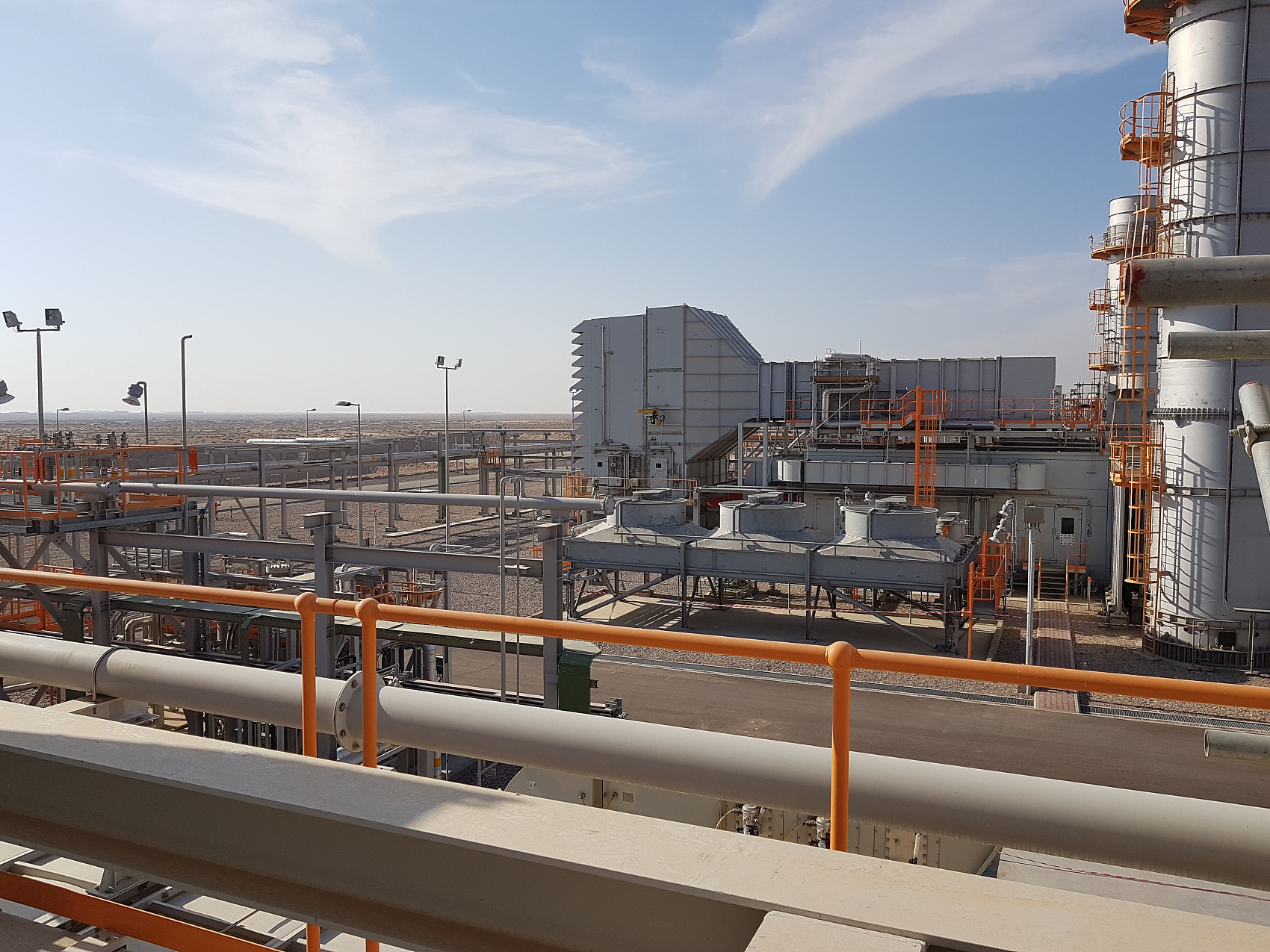
In the traditional application field, internal combustion engine oil is still the main application scenario of oiliness additives, which is widely used in automotive, construction machinery, marine and aerospace engine systems. These additives can form a stable oil film on the friction surface under high temperature and high load conditions, effectively reducing mechanical wear and improving the operating efficiency of engines. Industrial lubrication is another important application sector, including hydraulic oil, gear oil, metalworking fluid and other products, where oiliness additives are formulated according to the operating characteristics of different equipment to meet the lubrication needs of extreme working conditions such as high speed, high pressure and strong corrosion. With the acceleration of the global energy transformation process, oiliness additives have also been rapidly extended to emerging fields such as new energy vehicles and hydrogen energy industry. They are used in thermal management fluid systems of electric vehicles and lubrication links of hydrogen energy production and transportation equipment, which puts forward higher requirements for their electrical insulation, thermal conductivity and material compatibility. In addition, the marine engineering and rail transit industries have an increasing demand for special oiliness additives with anti-corrosion, anti-seawater erosion and long-term stability performance due to the particularity of their operating environment.
The global market volume of oiliness additives has maintained a steady growth trend driven by the continuous development of global industrialization, the increase in automobile ownership and the expansion of emerging application fields. By the end of 2025, the overall market scale of the global oiliness additive industry has exceeded 32 billion US dollars, with an annual growth rate of about 4.2%. In terms of regional distribution, the Asia-Pacific region has become the largest consumption market of oiliness additives, accounting for more than 50% of the global production and consumption volume, mainly due to the rapid development of automotive manufacturing, machinery and equipment industry in the region and the continuous improvement of industrial production capacity. North America and Europe follow closely, with the market share of about 27% and 22% respectively. The demand in these two regions is mainly driven by the upgrading of traditional industrial equipment, the high requirements for environmental protection and product performance, and the rapid development of emerging industries. In terms of market structure, lubricating oil additives are the main carrier of oiliness additives, accounting for more than 60% of the total market volume of petroleum additives. The demand for oiliness additives in the automotive industry accounts for more than 70% of the total demand, making it the core driving force of the market. Affected by the adjustment of the global industrial structure and the change of downstream demand, the market share of oiliness additives for traditional internal combustion engine oil is slowly declining, while the demand for high-performance oiliness additives in emerging fields is growing rapidly, with an annual growth rate of more than 25% in some high-end product segments.
The future development of the global oiliness additive industry will show the development trends of green environmental protection, high performance, diversification and integrated service, and the market competition pattern will also be further optimized. First of all, under the background of the global emphasis on carbon neutrality and environmental protection, the research and development and application of bio-based and biodegradable oiliness additives will become the core direction of the industry. Countries around the world have formulated increasingly strict environmental protection regulations and technical standards, which put forward harsh requirements for the toxicity, volatility and carbon emission of oiliness additives in the whole life cycle, forcing the industry to accelerate the substitution of traditional petroleum-based raw materials with renewable raw materials. Secondly, the demand for high-performance and multi-functional oiliness additives will continue to rise. With the continuous upgrading of mechanical equipment and the expansion of application fields, oiliness additives need to have multiple properties such as anti-wear, anti-oxidation, anti-corrosion and extreme pressure resistance at the same time, and can adapt to more complex and changeable working conditions. The research and development of nano-modified additives and customized formula additives will become the key direction of technological innovation in the industry. In addition, the market structure will present a pattern of "high-end monopoly and segmented breakthrough". A few multinational enterprises occupy about 65% of the global high-end market share by virtue of their patent barriers, integrated production capacity and global supply network, while a number of professional small and medium-sized enterprises are gradually gaining market share through technological innovation in segmented fields such as environmental protection formula and special additives for emerging industries. The industry merger and acquisition activity will remain active, and enterprises will expand their product matrix and regional market layout through mergers and acquisitions. Finally, the business model of the industry is gradually transforming from a single product sales to an integrated solution provider. Leading enterprises not only provide oiliness additive products, but also provide customers with supporting services such as base oil compatibility suggestions, on-site technical guidance and waste liquid treatment solutions, which significantly improve the added value of products and the stickiness of customers.
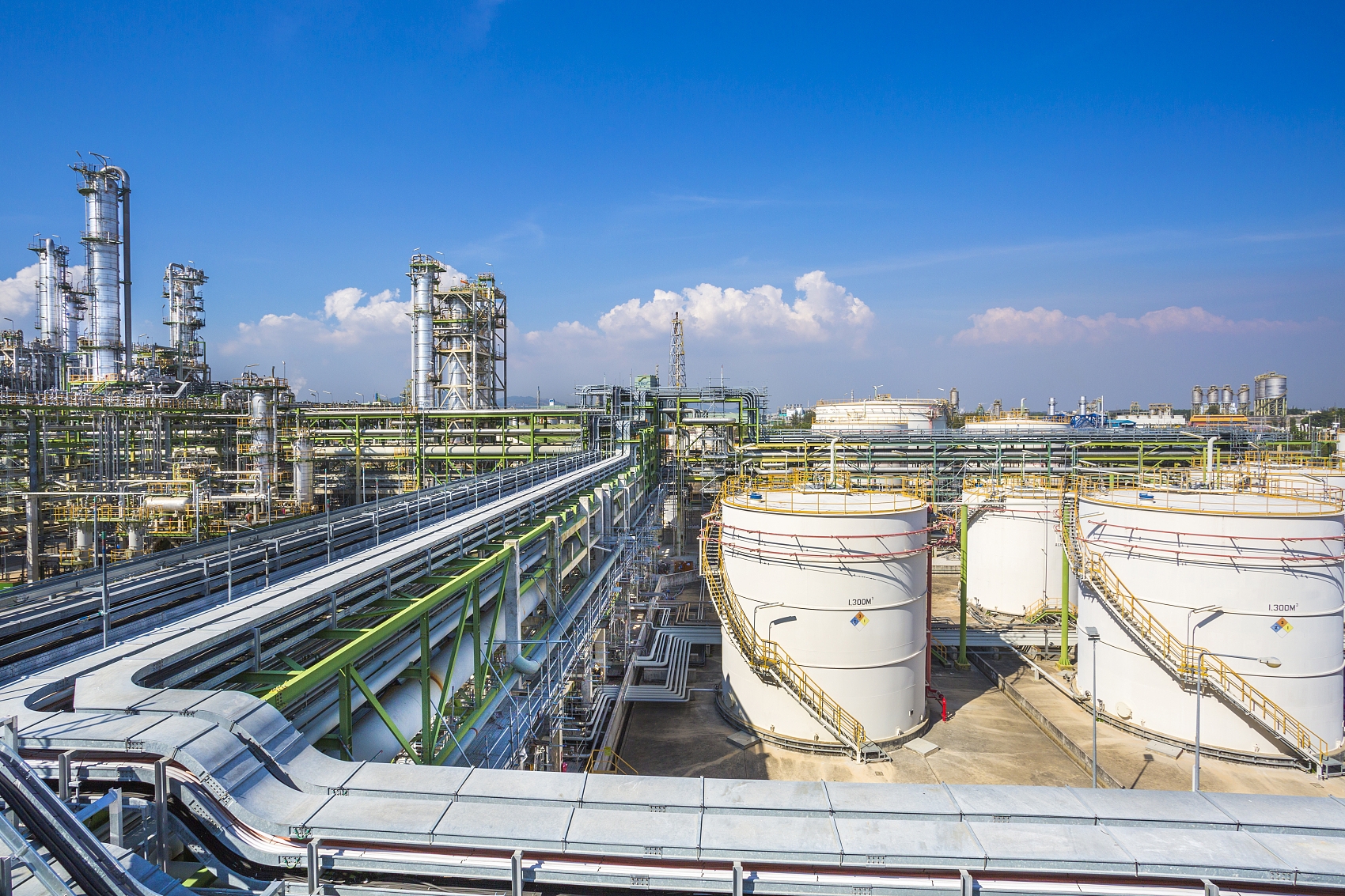
In the long run, the global oiliness additive industry will maintain a high growth rate with an annual compound growth rate of more than 5.5% by 2030, driven by the dual pull of traditional industry upgrading and emerging industry development. The core competition of the industry will focus on the balance between meeting high-performance demand and controlling environmental protection compliance costs. Enterprises that can take the lead in achieving technological breakthroughs in molecular design and develop new oiliness additives that simultaneously meet extreme performance and top environmental protection standards will grasp the dominant power of the market. It is expected that by 2030, the market premium rate of high-end oiliness additive products that meet the most stringent environmental protection regulations will reach 1.5 to 2 times that of ordinary products, which will further promote the high-end and green transformation of the industry. At the same time, the reconstruction of the global supply chain affected by geopolitical factors and the differences in environmental protection standards in different regions will also require enterprises to build a more resilient and flexible supply chain system to adapt to the complex and changeable market environment.
Key words: Petroleum additives, gasoline and diesel fuel additives, octane number improvement