

Petroleum Antifoam Agents: Global Application, Market Demand and Future Trends
Petroleum antifoam agents are essential chemical additives used to suppress or eliminate harmful foam generated during various petroleum-related processes. Their core function is to maintain process stability, improve production efficiency, and avoid potential safety hazards caused by excessive foam accumulation.
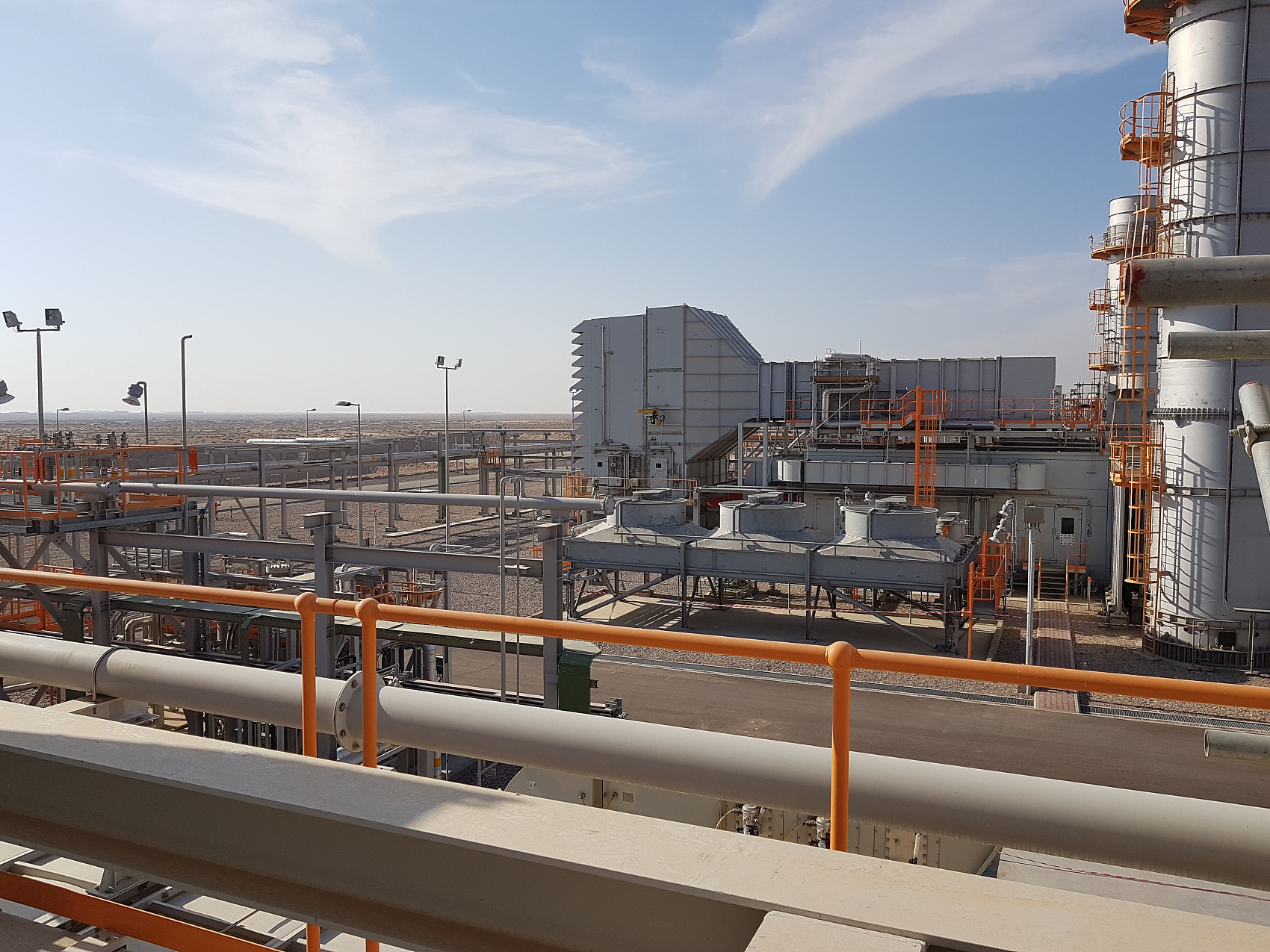
Currently, petroleum antifoam agents have been widely applied in global petroleum exploration, processing, and related industrial fields, with distinct application characteristics in different regions and process links.
In the field of petroleum and natural gas drilling, petroleum antifoam agents play a crucial role. During drilling operations, the mixing and circulation of drilling fluid often produce a large amount of foam due to the interaction with formation fluids and the addition of other chemical additives.
These foams will reduce the density and carrying capacity of drilling fluid, affect the efficiency of slag carrying and pumping, and even cause wellbore instability in severe cases. Therefore, petroleum antifoam agents are widely used in onshore and offshore drilling, especially in high-temperature and high-salinity complex formation drilling, to ensure the stable operation of the drilling fluid system.
They are also applied in geothermal drilling, which has similar foam problems to petroleum drilling and requires antifoam agents to adapt to high-temperature working environments.
In the petroleum processing industry, petroleum antifoam agents are indispensable in links such as crude oil distillation, catalytic cracking, and lubricating oil production. During crude oil processing, the violent stirring and heating process will generate foam, which will affect the separation effect of products and reduce the processing efficiency of equipment.
Adding petroleum antifoam agents can quickly break down existing foam and inhibit the formation of new foam, ensuring the smooth progress of the processing process and improving the quality of finished products such as gasoline, diesel, and lubricating oil.
In addition to drilling and processing, petroleum antifoam agents also have a certain scope of application in auxiliary fields such as petroleum storage and transportation. During the storage and transfer of crude oil and petroleum products, foam may be generated due to vibration and mixing, and antifoam agents can effectively control foam volume and avoid overflow and waste.
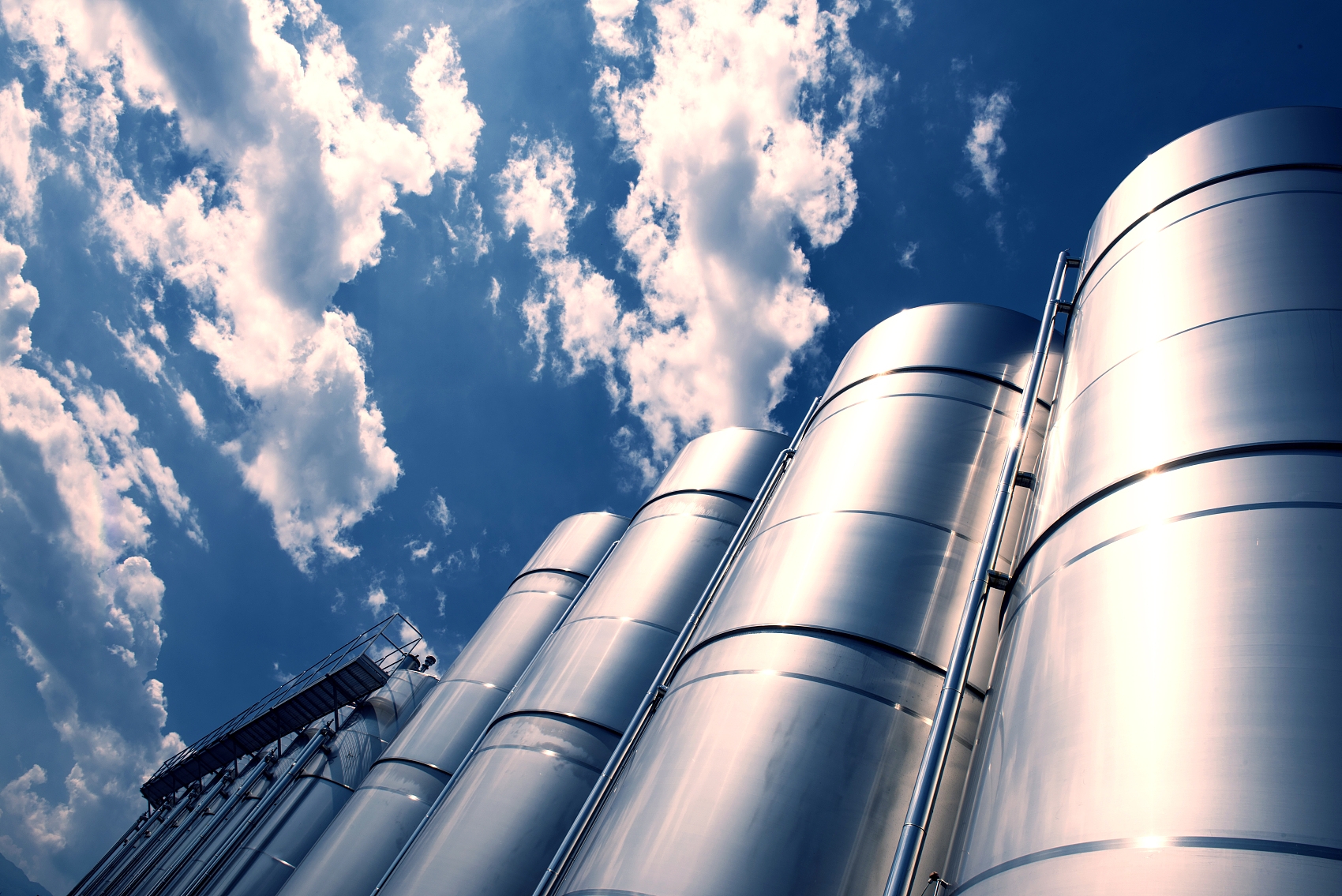
From a regional perspective, the application of petroleum antifoam agents is closely related to the development level of the local petroleum industry. Regions with developed petroleum exploration and processing industries, such as North America, the Middle East and Africa, have a high demand for petroleum antifoam agents and relatively mature application scenarios.
The Asia-Pacific region is also an important application market. With the continuous advancement of petroleum exploration, processing and infrastructure construction in countries such as China and India, the demand for petroleum antifoam agents in this region is showing a steady growth trend.
Europe and South America also have stable application demand, mainly driven by local petroleum processing and energy development needs.
In terms of global market demand for petroleum antifoam agents, the market volume has maintained a steady growth trend in recent years, driven by the continuous development of the global petroleum industry and the increasing emphasis on production efficiency and process stability.
According to industry research data, the global output of petroleum-related antifoam agents reached approximately 165.5 kilotons in 2024, with a corresponding market scale. This data includes antifoam agents used in petroleum drilling, processing and other related fields, reflecting the huge market demand for petroleum antifoam agents.
From the perspective of demand structure, petroleum and natural gas drilling is the largest application field of petroleum antifoam agents, accounting for more than 50% of the total market demand, which is mainly due to the continuous promotion of global energy exploration and development, especially the increase in drilling activities in complex formations such as deep sea and shale gas.
The petroleum processing field is the second largest application field, with stable demand, which is closely related to the stable operation of global refineries and the continuous upgrading of processing technology.
Regional demand distribution is consistent with the application situation. North America, the Middle East and Africa, and the Asia-Pacific region are the main demand regions, accounting for most of the global market volume. Among them, the Middle East and Africa region has a fast-growing demand for high-end petroleum antifoam agents due to the large-scale investment in the petroleum industry, with an annual growth rate of about 8%.
The Asia-Pacific region is expected to become the fastest-growing market in the next few years, driven by the rapid development of the petroleum industry in emerging economies.
In terms of product types, organic silicon and polyether petroleum antifoam agents are the two main types currently on the market. Organic silicon antifoam agents account for a dominant position in the market due to their fast defoaming speed and good foam suppression effect, and are widely used in most petroleum-related processes.
Polyether antifoam agents are gradually increasing their market share due to their strong compatibility and are more suitable for complex petroleum processing systems and drilling fluid systems.
Looking forward to the future development trend of petroleum antifoam agents, the market will show a development direction of high performance, environmental protection, and customization, driven by factors such as technological progress, increasingly strict environmental protection policies, and diversified market demand.
High performance will be the core development trend of petroleum antifoam agents. With the continuous expansion of global petroleum exploration and processing to complex environments such as deep sea, high temperature, high pressure, and high salinity, the performance requirements for petroleum antifoam agents will be further improved.
Future products need to have better high-temperature resistance, salt tolerance, and compatibility, be able to adapt to more extreme working conditions, and have a longer foam suppression time to meet the needs of complex process operations.
Environmental protection will become an important constraint and driving force for the development of the industry. With the increasing global emphasis on environmental protection, governments of various countries have issued more and more strict environmental protection policies, requiring chemical additives to be low-toxic, non-polluting, and biodegradable.
Petroleum antifoam agents will also develop in the direction of environmental protection. The development and application of environmentally friendly products that do not contain harmful substances and can be naturally degraded will become the focus of the industry, replacing traditional products with potential environmental pollution risks.
Customized development will become a key direction to meet diversified market demand. Different petroleum processing enterprises and drilling projects have different process conditions and foam problems, and the demand for antifoam agents also varies.
In the future, according to the specific needs of different customers, developing customized petroleum antifoam agent products and providing targeted solutions will help improve market competitiveness and meet the personalized needs of the market.
In addition, the integration of product and technical services will become a new development trend. While providing antifoam agent products, enterprises will also provide technical support such as product selection, dosage guidance, and on-site debugging to help customers better use products and solve practical foam problems in production, forming a comprehensive service model.
From the perspective of market scale, the global petroleum antifoam agent market is expected to maintain a steady growth trend in the next few years. It is predicted that from 2025 to 2031, the global market scale will grow at a compound annual growth rate of about 3.8% to 5.2%, driven by the continuous advancement of petroleum exploration and processing technology and the increasing demand for high-performance, environmentally friendly products.
The Asia-Pacific and Middle East regions will become the main growth engines of the market, contributing more to the global market growth. At the same time, the market competition will become more intense, and the focus of competition will gradually shift from product price to product performance, quality and technical services.
In summary, petroleum antifoam agents, as essential chemical additives in the petroleum industry, have a wide global application scope and stable market demand.