

Petroleum Anti-Icing Agents: Global Application, Market Demand and Future Trends
Petroleum anti-icing agents are specialized chemical additives, mainly used to prevent ice formation and remove existing ice in petroleum extraction, transportation, storage and processing links. They play a crucial role in ensuring the safe and stable operation of the global petroleum industry, especially in cold regions.
Globally, the application of petroleum anti-icing agents is closely related to regional climate conditions and petroleum industry layout. In high-latitude cold regions and alpine areas, their use is almost indispensable.
In North America, especially in Canada and Alaska in the United States, petroleum extraction and pipeline transportation are widely distributed in cold zones with long cold seasons. Petroleum anti-icing agents are extensively used in oil wells, above-ground and underground pipelines, storage tanks and loading/unloading equipment to avoid ice blockage or equipment damage caused by low temperatures.
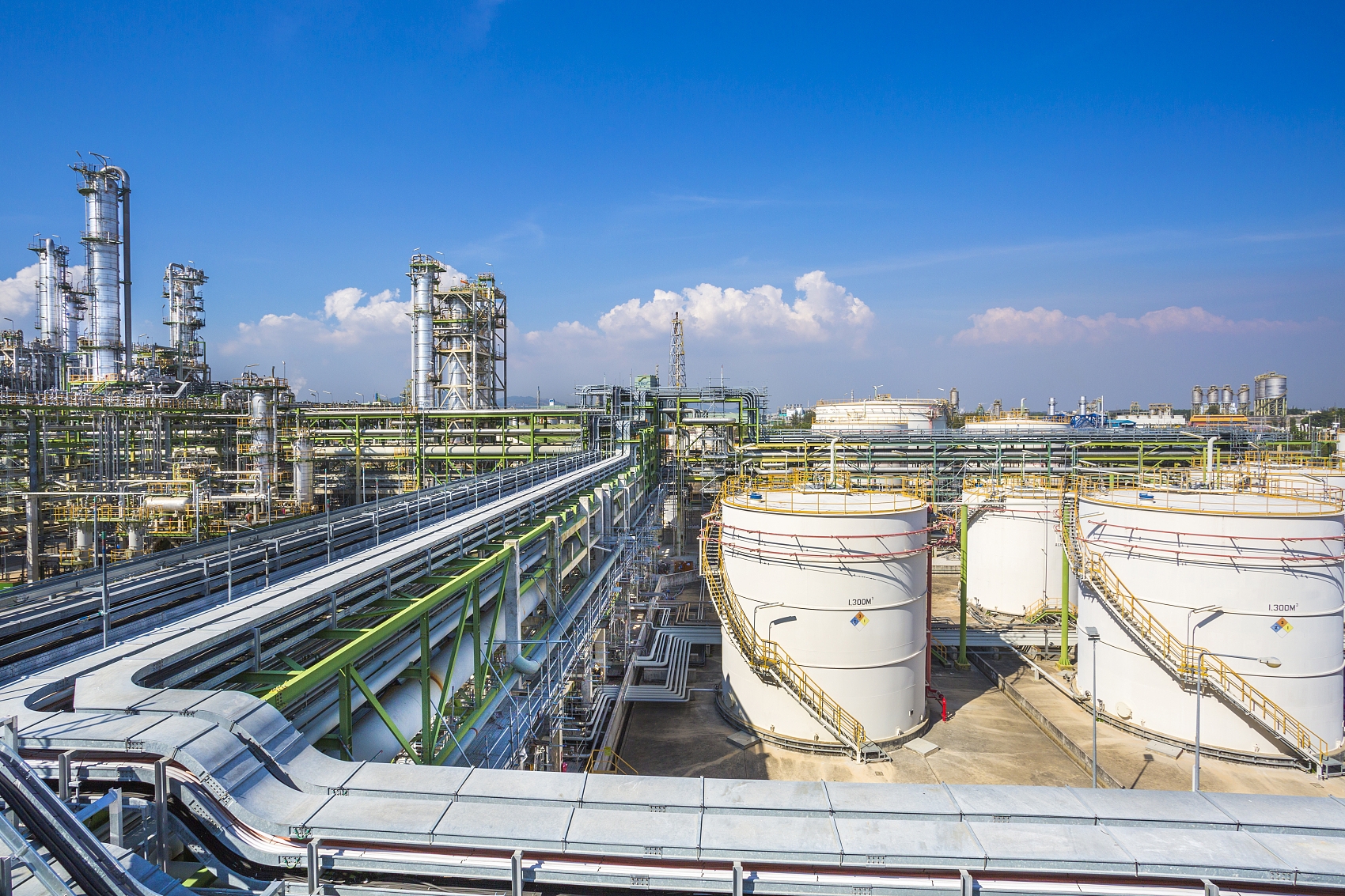
In Europe, Nordic countries such as Norway, Sweden and Finland, as well as Russia, which has a large area of cold land, also have massive demands for petroleum anti-icing agents. These regions rely heavily on petroleum energy, and the low-temperature environment for most of the year makes anti-icing agents a necessary supporting material for the petroleum industry.
In Asia, cold regions including Siberia in Russia, northern China and parts of Japan also apply petroleum anti-icing agents in petroleum exploration and transportation. With the continuous development of petroleum resources in cold regions in Asia, the application scope of these agents is gradually expanding.
In addition to cold land regions, petroleum anti-icing agents are also used in offshore petroleum extraction in cold marine areas, such as the North Sea and the Arctic Ocean. They can prevent ice formation on offshore drilling platforms, underwater pipelines and oil storage facilities, ensuring the normal operation of offshore petroleum production.
In terms of market dosage, the global demand for petroleum anti-icing agents has maintained a steady growth trend in recent years, driven by the increasing demand for petroleum energy and the continuous development of petroleum resources in cold regions.
The global market volume of petroleum anti-icing agents is affected by multiple factors, including regional cold intensity, the scale of petroleum industry, and energy policies. In general, the market dosage shows obvious regional differences.
North America and Europe, as the main application regions, account for a large proportion of the global market dosage. These regions have mature petroleum industry systems and long-term cold weather, leading to stable and large demand for petroleum anti-icing agents.
In recent years, with the acceleration of petroleum resource development in cold regions of Asia and the gradual increase in offshore petroleum extraction in cold marine areas, the market dosage in these regions has shown a significant growth momentum, becoming an important driving force for the growth of global total dosage.
It is worth noting that the fluctuation of global petroleum prices and the adjustment of energy policies will also have an indirect impact on the market dosage of petroleum anti-icing agents. When petroleum exploration and production activities are active, the demand for anti-icing agents will increase accordingly; on the contrary, it may decline slightly.
Looking forward to the future development trends of petroleum anti-icing agents, the industry will focus on three core directions: environmental protection, high efficiency and intelligence, driven by the dual demands of environmental protection policies and industrial upgrading.
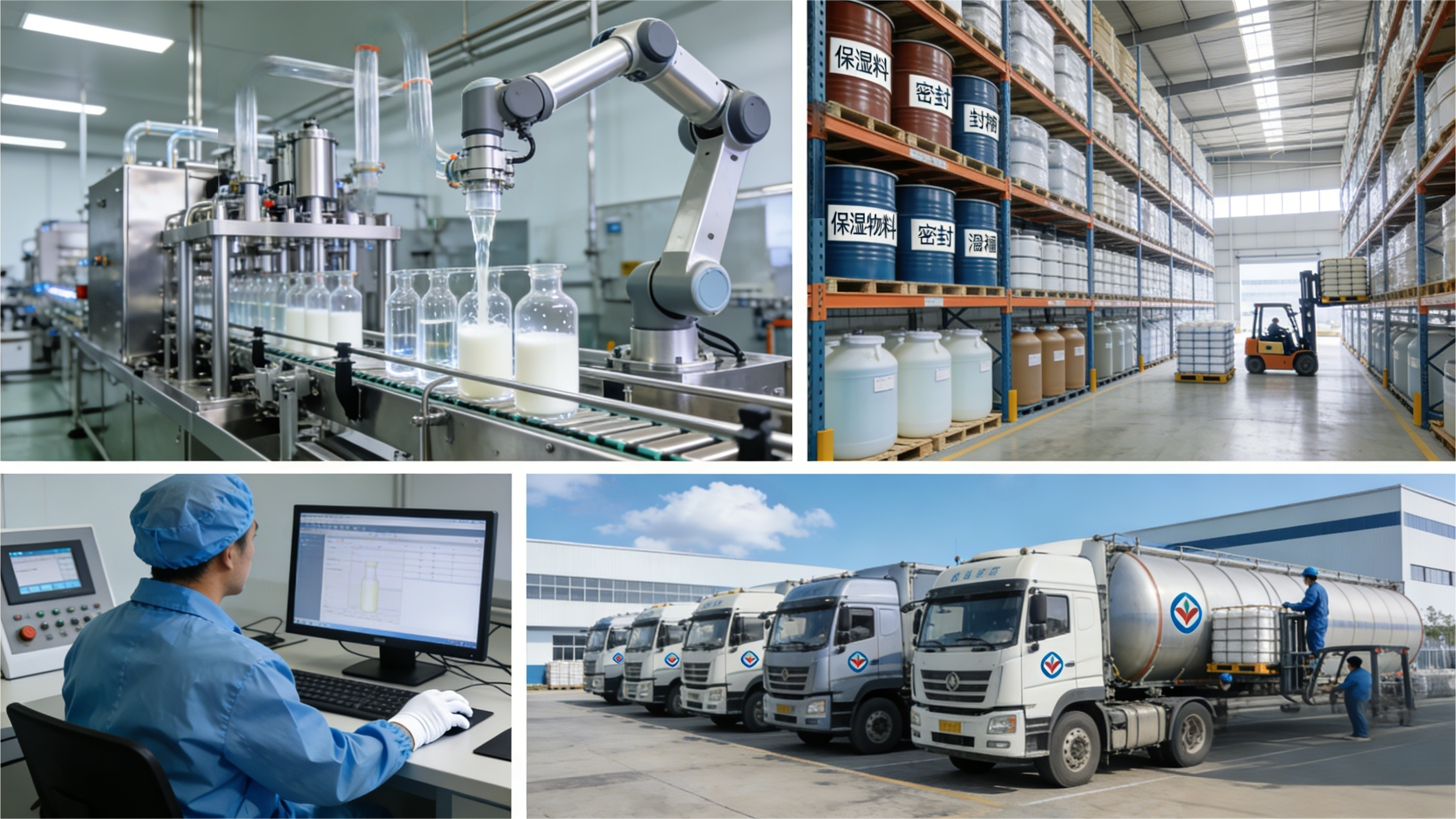
Environmental protection will become the primary trend of future development. With the increasing global attention to environmental issues, traditional petroleum anti-icing agents with potential environmental pollution will be gradually replaced by environmentally friendly products. The research and development of biodegradable, low-toxic and low-pollution anti-icing agents will become a key focus of the industry, to reduce the impact on soil, water and the ecological environment during use.
The development of high-efficiency anti-icing technology will also be accelerated. In the future, petroleum anti-icing agents will tend to have better anti-icing and de-icing effects, lower usage dosage and longer effective time. This can not only reduce the cost of anti-icing for petroleum enterprises but also improve the efficiency of anti-icing and ensure the safe operation of equipment more reliably.
Intelligent application is another important development trend. With the integration of digital and intelligent technologies into the petroleum industry, petroleum anti-icing agents will be combined with intelligent monitoring systems. Through real-time monitoring of temperature, humidity and ice formation, the automatic spraying and dosage adjustment of anti-icing agents can be realized, improving the accuracy and efficiency of anti-icing work.
In addition, the market demand for petroleum anti-icing agents will continue to expand with the continuous development of petroleum resources in cold regions and the increasing demand for offshore petroleum extraction. At the same time, the market competition will become more intense, promoting enterprises to increase investment in research and development and accelerate product upgrading.