

Petroleum antioxidants and anti-gumming agents are essential additives that stabilize petroleum fuels an
d lubricants.
They slow oxidation reactions, inhibit gum and deposit formation, and maintain product stability during storage, transportation, and use.
These additives protect engine and equipment parts, improve efficiency, and extend service life.
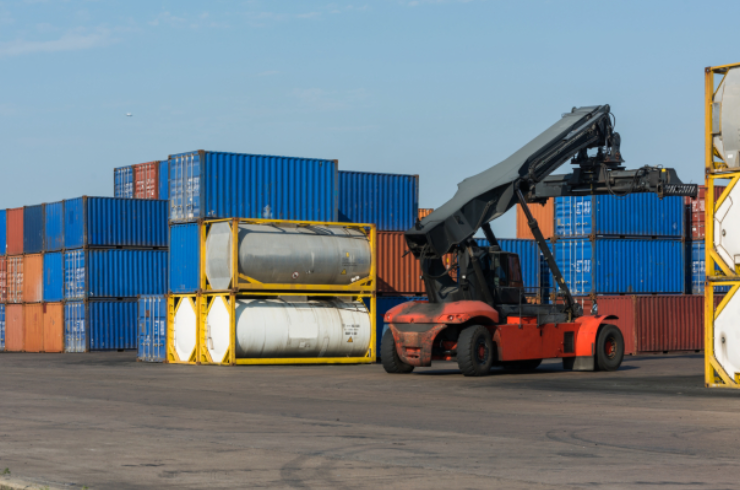
Global Application Overview
These additives are widely used in gasoline, diesel, jet fuel, lubricating oils, and hydraulic fluids.
In gasoline, they prevent oxidation and gum buildup that can clog injectors and intake systems.
In diesel and industrial oils, they reduce sludge, varnish, and thermal degradation.
Aviation fuels rely on high-purity antioxidants to ensure safety and stability at high altitudes.
Modern high-efficiency engines, including direct-injection models, depend more on these additives to meet strict performance and emission rules.
Global Market Volume and Demand
Global consumption of petroleum antioxidants and anti-gumming agents continues to rise steadily.
Demand is driven by stricter fuel standards, growing vehicle ownership, and expanded fuel storage and logistics networks.
Asia-Pacific is the largest and fastest-growing market, supported by rapid industrialization and rising fuel consumption.
North America and Europe are mature markets, with demand focused on high-performance and eco-friendly formulations.
Emerging regions in Latin America, the Middle East, and Africa show growing consumption as infrastructure and automotive sectors expand.
Most demand comes from the transportation and industrial sectors, especially automotive lubricants and refined fuels.
Overall market volume remains stable, with growth tilted toward high-efficiency, low-emission, and multi-functional products.
Future Development Trends
1. Green and Environmentally Friendly Formulations
Environmental regulations are pushing the industry toward low-toxicity, low-ash, and biodegradable additives.
Products with lighter environmental impact will gradually replace traditional formulations.
2. Multi-Functional Integration
Single additives that combine anti-oxidation, anti-gumming, cleaning, anti-wear, and corrosion resistance are becoming mainstream.
This trend simplifies blending, improves performance, and lowers overall costs.
3. Adaptation to New Energy and Fuel Structures
As ethanol gasoline, biofuels, and hybrid powertrains expand, additives must be compatible with new fuel compositions.
Specialized stabilizers for renewable fuel blends will see growing demand.
4. High Performance and Long-Life Design
Demand is rising for additives that extend oil drain intervals, fuel storage time, and equipment durability.
High-temperature resistance and long-term stability will be core competitive features.
5. Customized and Precision Solutions
Refineries and engine makers increasingly require tailor-made additive packages.
Product development will focus on regional standards, engine types, and operating conditions.
Conclusion
Petroleum antioxidants and anti-gumming agents are irreplaceable in modern petroleum processing and transportation.
Global demand will keep growing, supported by regulation, technology, and energy structure changes.
The industry is moving toward green, multi-functional, high-performance, and customized solutions.