

Petroleum Antistatic Agents – Overview, Applications, Market and Trends
Petroleum antistatic agents are special additives used to improve the electrical conductivity of petroleum fuels and oils. They prevent the accumulation of static electricity during production, storage, transportation and loading operations. By reducing static buildup, these agents lower the risk of fire, explosion and equipment damage, helping to ensure safe and stable operation across the petroleum supply chain.
Global Application Status
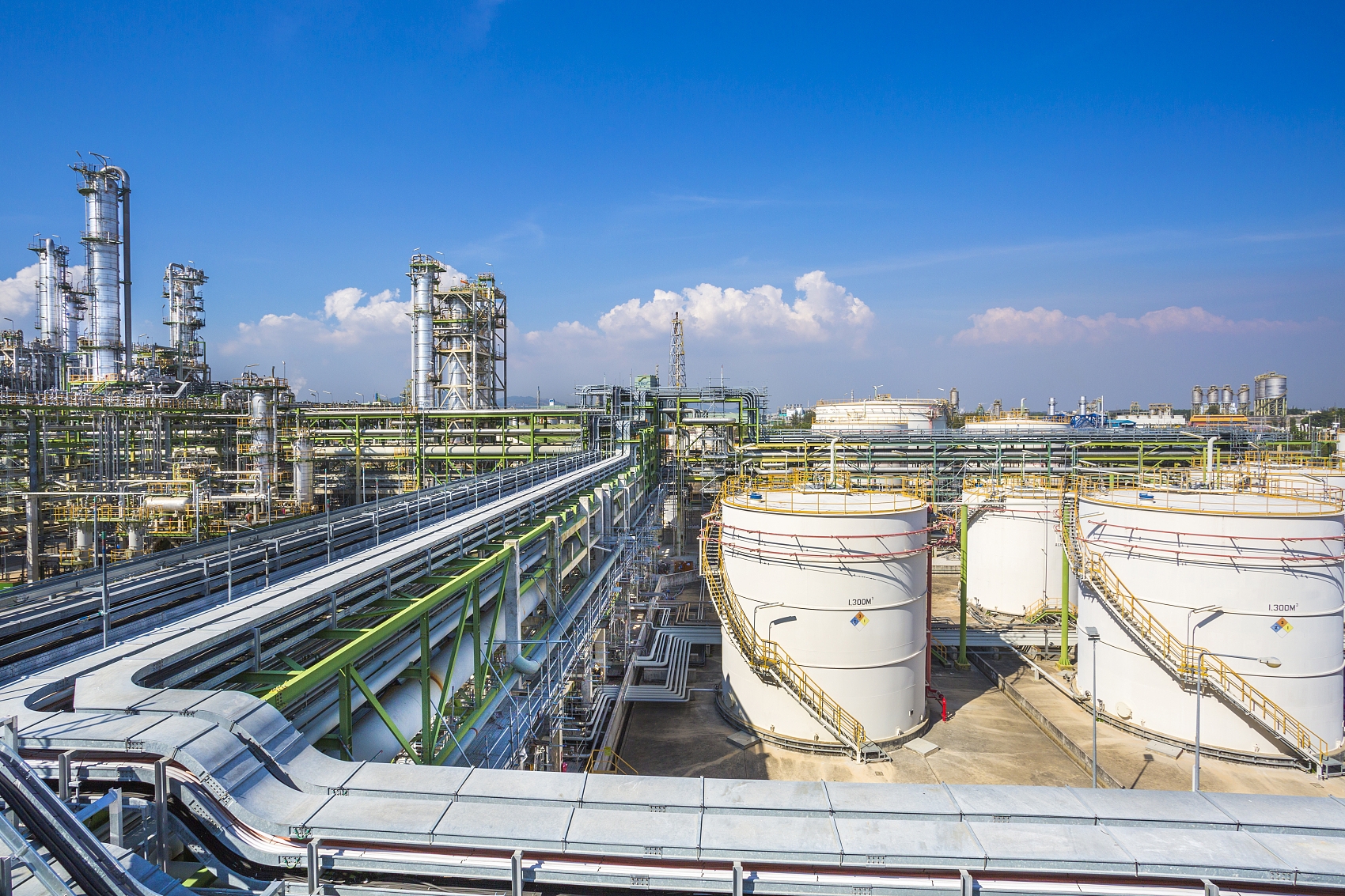
Petroleum antistatic agents are mainly used in gasoline, diesel, jet fuel, industrial oils and some special petroleum fluids. They are widely applied in pipeline transportation, storage tanks, railway tank cars, road tankers and port terminals.
They are especially necessary for low-conductivity fuels, including some refined gasoline, diesel and blended fuels. In aviation and high-speed transportation fields, antistatic agents are essential to meet strict safety standards.
They also help reduce dust adhesion caused by static charges and protect fuel system parts and measuring instruments from static interference. With stricter global safety regulations, the use of petroleum antistatic agents has become standard practice in most fuel supply systems.
Global Market Volume and Demand
Global consumption of petroleum antistatic agents continues to grow steadily. The main drivers are increasing fuel demand, stricter safety rules, higher requirements for storage and transportation security, and the wider use of blended fuels.
The Asia-Pacific region is the largest consumer, supported by rapid industrial development, increased fuel consumption and improved safety management. North America and Europe maintain stable demand due to mature regulatory systems and complete fuel logistics networks.
Demand is also rising in the Middle East, Latin America and Africa as energy infrastructure and transportation systems expand. Overall market volume shows continuous growth, supported by safety compliance and operational reliability needs.
Future Development Trends
Environmental protection will become a key direction. More low-toxicity, low-pollution and eco-friendly antistatic agent formulations will be developed and promoted to meet global environmental regulations.
Adaptation to new fuel types is another major trend. The growing use of ethanol gasoline, biofuels and other blended fuels requires antistatic agents with better compatibility and higher efficiency.
High-performance and long-lasting products will be more popular. The market prefers agents that work at low dosage, remain stable under high and low temperatures, and have good compatibility with other additives.
Product customization will increase. More specialized antistatic agents will be designed for specific fuel types, transportation conditions and regional standards.