

Global Application Status of Maleic Anhydride
Maleic anhydride serves as an irreplaceable core petrochemical intermediate raw material, supporting the production of diversified downstream fine chemicals and polymer products across global industrial chains, with application scenarios covering construction, automobile, new energy, petrochemical additive and pharmaceutical intermediate fields.
Unsaturated polyester resin production takes up the largest proportion of global maleic anhydride consumption, which is the most mature downstream application field worldwide. Resins synthesized with this raw material are processed into glass fiber reinforced composite materials, widely applied in building anticorrosion pipes, architectural decoration parts, civil construction insulation and anti-corrosion tank equipment in all continents. With the rapid development of global wind power industry in recent years, wind turbine blades made from such composite materials have gradually become a high-growth application direction, greatly lifting the demand for high-purity maleic anhydride raw materials.
The production of 1,4-butanediol ranks as the second major consumption field of maleic anhydride globally. Derivatives from butanediol synthesis extend to biodegradable plastics, textile elastic fiber raw materials and pharmaceutical intermediate raw materials. Driven by global plastic pollution control policies and the booming biodegradable material market, this application field maintains relatively fast demand growth year by year.
Lubricant additive manufacturing is another important downstream consumption direction. Maleic anhydride is the key feedstock for engine oil ashless dispersants, which can effectively eliminate oil sludge inside automobile and engineering machinery engines, adapt to increasingly strict global engine oil quality standards and vehicle emission regulations. The continuous upgrading of vehicle maintenance standards across all countries steadily boosts the application demand in lubricant additive segment.
Besides mainstream fields above, maleic anhydride is also used to synthesize styrene copolymer, industrial protective coating, adhesive, oilfield scale inhibitor and food-grade organic acid raw materials. These scattered niche fields keep expanding application coverage with the continuous upgrading of fine chemical industry globally, enriching the whole downstream demand structure.
Regional application differentiation is obvious in the global market. Asia Pacific region becomes the core application market thanks to complete downstream resin, automobile and chemical supporting industries; Europe applies more high-purity products restricted by strict environmental and chemical access regulations; North America focuses on derivative processing of lubricant additives and high-end composite materials with abundant alkane raw material resources; emerging markets in Southeast Asia, Middle East and Latin America witness rapid application expansion following local industrial construction progress.
Global Market Consumption Situation
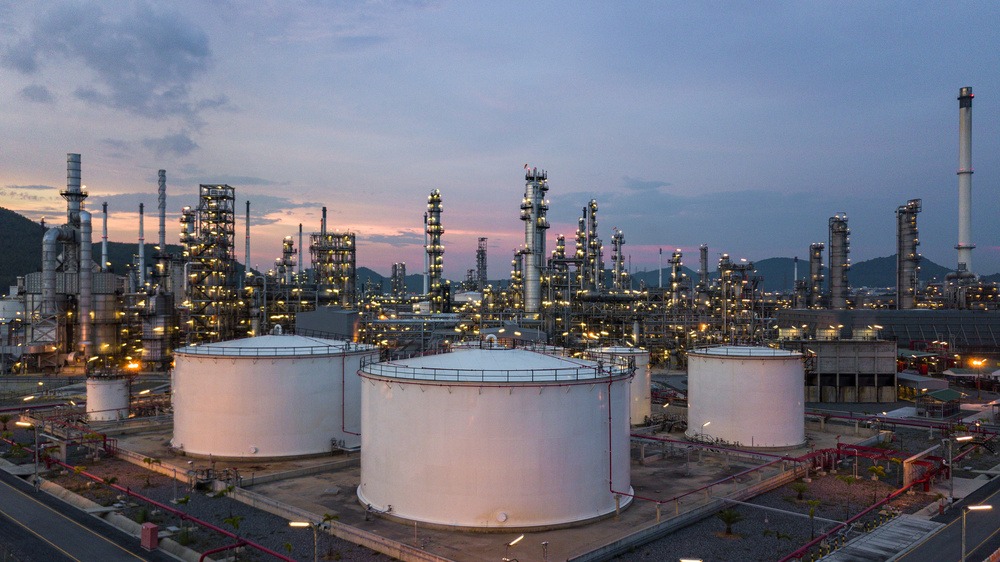
Consumption for unsaturated polyester resin accounts for more than half of global total consumption volume, always dominating the market demand structure. High-end composite consumption including wind power blades, ship accessories and high-grade anticorrosion materials keeps rising year by year, while conventional construction-grade resin consumption grows steadily along with infrastructure construction in emerging economies, jointly supporting the largest demand segment of the whole industry.
Consumption used for 1,4-butanediol production occupies around one fifth of global total volume, and this proportion keeps climbing in recent years. The vigorous development of biodegradable plastic industry and synthetic textile industry pushes continuous consumption increase of this segment, becoming the fastest-growing consumption field among all downstream directions.
Lubricant additive and copolymer related products together make up roughly 15% to 20% of total global consumption. The update of global vehicle emission standards and the expansion of industrial machinery ownership steadily pull the rigid consumption of lubricant-grade maleic anhydride, while coating and adhesive market fluctuation brings periodic small-scale adjustment to copolymer consumption volume.
From regional consumption layout, Asia Pacific holds the leading share of global consumption, benefiting from concentrated downstream processing factories and fast-growing infrastructure and automobile industry; Europe maintains stable consumption scale with mature high-end fine chemical supporting chain; North America’s consumption focuses on high-value additive and special polymer fields with relatively slow overall growth rate; Southeast Asia, Central Asia and Latin America realize rapid consumption increment as local chemical industrial base gradually improves.
Product consumption grading trend becomes prominent gradually. Common industrial-grade products satisfy conventional resin bulk demand, while high-purity and ultra-high-purity products with strict impurity control gain rising market proportion, matching the upgrading demand of high-end composite, pharmaceutical intermediate and electronic-grade fine chemical downstream customers. Raw material cost fluctuation of crude oil and butane brings periodic small swings to global total consumption, yet long-term rigid downstream demand effectively offsets short-term market volatility risks.
Future Development Trend of Maleic Anhydride
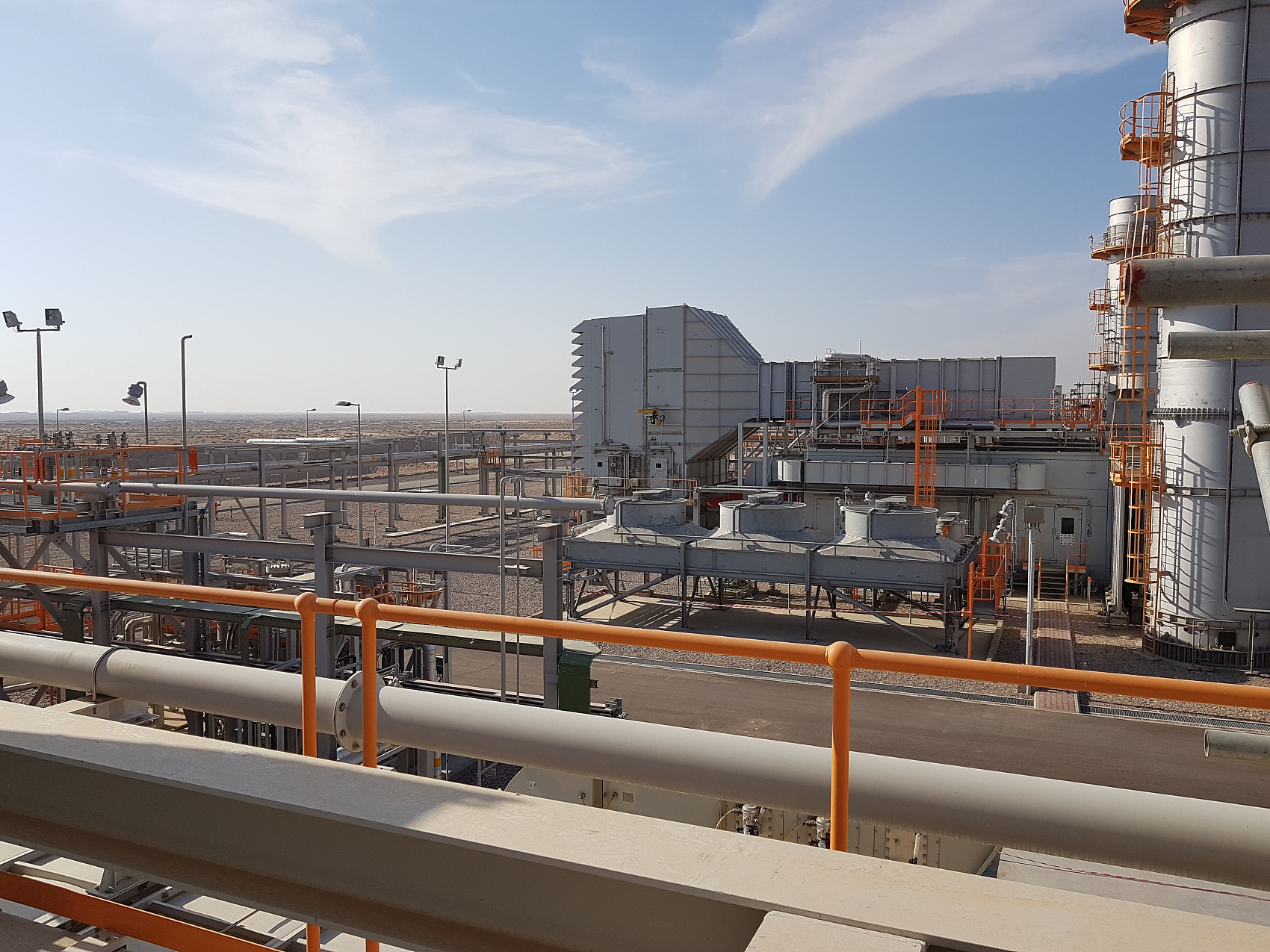
Global increasingly stringent environmental protection policies and carbon emission control regulations will accelerate the optimization of maleic anhydride production routes and product quality upgrading in the next decade. Traditional high-pollution benzene-process production capacity will be gradually eliminated in Europe and part of mature industrial areas, while low-carbon butane-process production technology will become mainstream globally; meanwhile, bio-based raw material synthesis technology will realize industrial pilot and gradual popularization, and green low-carbon maleic anhydride products will obtain higher market premium under global carbon footprint certification requirements.
Downstream demand structure will continue transferring toward high-value-added fields. Wind power composite, new energy vehicle lightweight material and biodegradable plastic related downstream will become core growth drivers of future consumption, while demand growth of conventional construction-type unsaturated polyester resin will slow down moderately. More customized high-purity maleic anhydride products for special fine chemical synthesis will continuously open up new market space.
Product multifunctional and refined development becomes an inevitable industry trend. Downstream manufacturers put forward higher requirements on product purity, chroma and impurity index, pushing producers to invest more in deep refining equipment and process improvement. Differentiated customized products aiming at lubricant, pharmaceutical and electronic material fields will replace part of bulk general-grade products and lift overall industry profit level.
Global production capacity layout will keep shifting toward emerging market regions. As chemical industry investment expands in Southeast Asia, Middle East and Latin America, new production capacity will gradually gather near core consumption areas to shorten raw material and finished product transportation cost, while Europe and North America will shrink bulk general-grade production capacity and focus on high-end refined product processing and derivative deep processing business.