

Global Application Status of Petroleum Anti-Ablation Additives
Petroleum anti-ablation additives refer to functional chemical additives blended into fuel oil, lubricating oil and special petroleum products to form compact protective layers during high-temperature combustion and friction, restrain surface ablation, reduce high-temperature scouring loss of equipment and fuel matrix, and stabilize continuous combustion performance of finished petroleum products.
In the aviation fuel field, this kind of additive has become a standard matching raw material for jet fuel and aviation special fuel across most developed economies and emerging industrial regions worldwide. After being mixed into finished aviation oil in fixed low proportion, it effectively alleviates high-temperature ablation of engine combustion chamber inner wall and nozzle parts under ultrahigh working temperature, cuts down maintenance frequency of core aviation power equipment, and has been widely adopted in civil aviation fleet fuel supply and military aviation fuel formulation systems.
For vehicle and heavy-duty diesel oil, anti-ablation additives are commonly applied to high-power engineering machinery fuel, marine heavy fuel oil and large truck dedicated diesel. Heavy oil used for ocean-going vessels bears lasting high-temperature ablation from long-time continuous combustion inside cylinder and exhaust pipeline; the added additives can generate dense carbonized protective film under combustion environment to slow down component loss caused by thermal erosion and particle scouring, hence gradually becoming essential auxiliary material for global marine fuel processing enterprises.
In the petrochemical processing sector, these additives are added into high-temperature furnace fuel and cracking feedstock oil in refineries and chemical plants. High-temperature heating equipment inside refineries faces persistent thermal ablation under long-term high heat load, and matched anti-ablation components reduce ablation damage of furnace lining and metal pipeline inner wall brought by high-temperature flue gas and fuel residue, supporting stable long-period operation of refining production lines in North America, Europe, Middle East and Southeast Asian major refining bases.
Besides conventional fuel scenarios, niche application markets keep expanding year by year. Special petroleum-based propellant raw materials for aerospace and ground high-temperature test equipment also rely on customized anti-ablation additive formulas to control combustion ablation rate of fuel matrix, satisfying strict thermal protection requirements under extreme high-temperature working conditions. Regional application differentiation is obvious: North America and Western Europe take the lead in high-end aviation and refined fuel additive popularization rate; Middle East focuses on heavy crude processing and marine heavy oil matching consumption; Asia-Pacific market grows fast driven by rapid expansion of refining capacity and automobile, shipping industrial chain in multiple emerging economies.
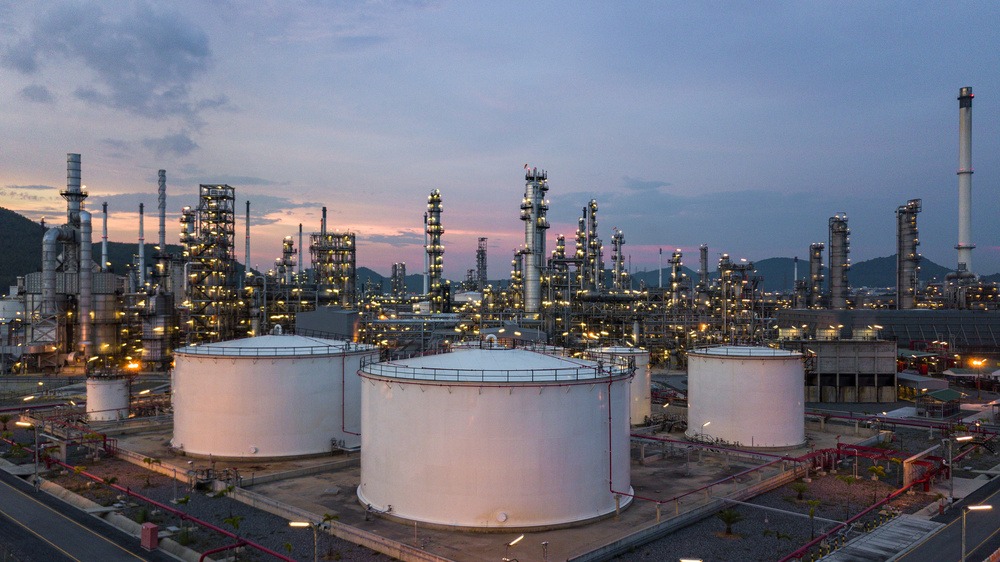
Global Market Consumption Situation
Global total consumption of petroleum anti-ablation additives maintains steady incremental growth with the expansion of downstream petroleum processing, transportation and aerospace industries, and overall market demand presents tiered growth feature split by different product grades and application fields.
High-end anti-ablation products matched for aviation fuel account for roughly one fifth of total global consumption volume, with consumption concentrated in regions with developed aviation industry including North America, Western Europe and Northeast Asia. Such high-specification additives adopt refined composite formula, with single unit addition dosage low but unit product cost relatively high, and annual consumption keeps rising along with the expansion of global civil aviation transportation scale and upgrading of military aviation equipment standards.
Medium-grade products applied in vehicle diesel and marine heavy fuel dominate the largest consumption share of the whole market, occupying over sixty percent of total annual global consumption volume. Global steady growth of automobile ownership, continuous expansion of international shipping volume and booming development of inland heavy engineering machinery drive persistent rigid demand of this segment. Middle East, Southeast Asia and Latin America, as major crude processing and fuel export concentration areas, keep lifting annual purchase volume of such conventional anti-ablation additives year by year.
Low-to-medium specification additives for refinery heating furnace and industrial boiler fuel make up the remaining market consumption proportion. Affected by periodic fluctuation of global crude processing capacity, its consumption growth pace is relatively gentle, but stable demand is supported by rigid production needs of global medium and small-sized refining and chemical enterprises. From regional consumption distribution, Asia-Pacific region has jumped into the world’s largest consumption market in recent years, benefiting from fast-growing local refining output and shipping, automobile industrial development; North America stays at the second position with mature downstream industrial matching; European market consumption grows at a mild steady speed under strict environmental and fuel quality supervision policies; Middle East and Africa realize rapid consumption increase relying on local crude deep processing layout construction progress.
Consumption structure is also gradually optimizing. Single-component anti-ablation additive demand shrinks moderately, while multi-functional composite additive consumption grows rapidly, as downstream fuel manufacturers prefer integrated additives with anti-ablation plus anti-oxidation and lubrication improvement functions to simplify blending process and lower overall raw material procurement cost.
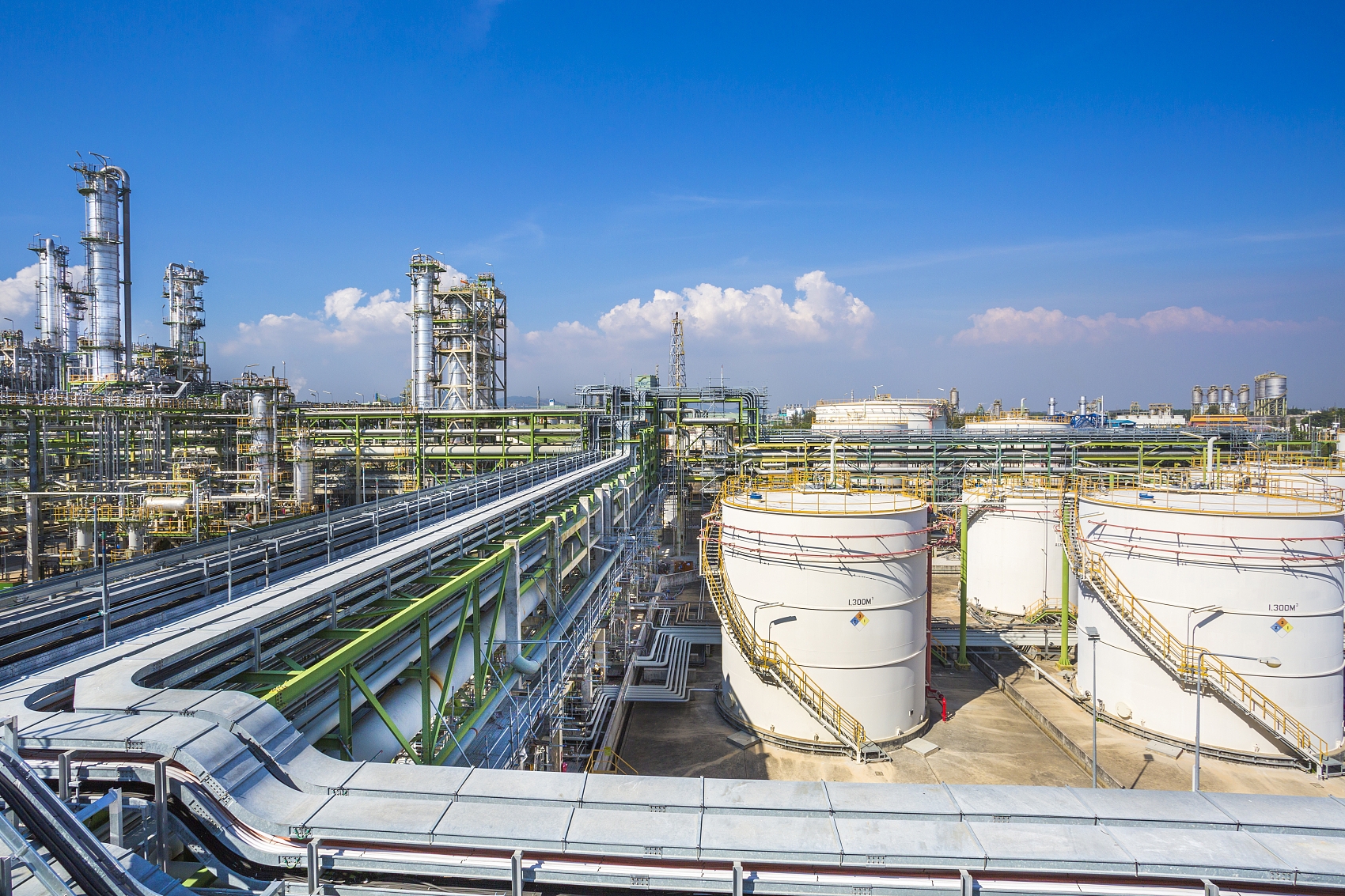
Future Development Trend of Petroleum Anti-Ablation Additives
Environmental protection regulation tightening across all global regions will become the core driver pushing product formulation upgrading of anti-ablation additives in the future. Successive implementation of strict chemical emission and fuel pollutant limit rules in Europe, North America and major Asian economies will phase out traditional formulas containing high-toxicity components, accelerating R&D and industrial popularization of low-odor, low-pollution and biodegradable environmental-friendly anti-ablation additive products, and green bio-based raw material sourced additives will occupy an increasing market proportion in the next decade.
Multi-functional integration turns into an inevitable technical development direction. Future new-generation anti-ablation additives will no longer only focus on single high-temperature anti-ablation performance; more compound products integrating anti-ablation, fuel antioxidant, metal anti-corrosion and combustion efficiency promotion will become mainstream market products, helping downstream fuel factories reduce types of stored auxiliary chemicals and cut comprehensive production cost, which will further expand market application space of such additives in all petroleum downstream segments.
Nanometer modified additive technology will realize large-scale industrial popularization. With continuous progress of fine chemical synthesis technology, nanoscale functional fillers will be widely applied into anti-ablation additive production. Products adopting nanometer modified formula can form more uniform and compact thermal protection layer under combustion condition with lower addition proportion, effectively reducing unit fuel additive consumption and lowering downstream blending cost, gradually replacing part of traditional high-dosage common anti-ablation products.
Market layout will transfer continuously toward emerging market regions. As refining capacity expands continuously in Southeast Asia, Central Asia and Latin America, local demand for matched anti-ablation additives will grow at a higher annual growth rate than mature markets in Europe and North America. Related production capacity will gradually transfer to these emerging consumption areas to shorten logistics cost and respond rapidly to local customized fuel formula demand.
Niche high-end market represented by aerospace and hypersonic equipment supporting fuel will keep bringing incremental demand. Deepening commercial space industry development and continuous iteration of high-temperature power equipment worldwide push forward higher standard requirements on anti-ablation performance of special petroleum fuel additives, driving sustained R&D investment on ultrahigh-temperature resistant special anti-ablation formulas and opening up long-term stable incremental market space for high-end customized additive products.