

Calcium Thioglycolate

Product Introduction

Product NameCalcium ThioglycolateCAS814-71-1Quality StandardStandardProduct Grad

Model:
Update Time:2025-12
Manufacturer Type:
Views:

Product Name

Calcium Thioglycolate

CAS

814-71-1

Quality Standard

Standard

Product Grade

Cationic Emulsifiers

Place of Origin

China

Dangerous Goods

Yes


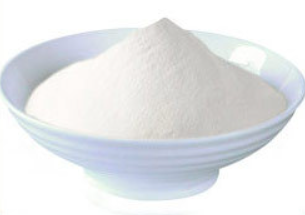
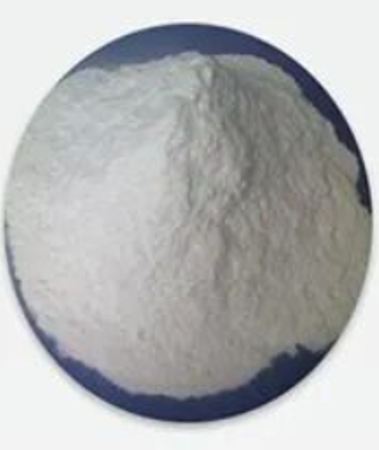
Calcium Thioglycolate is an organosulfur compound produced through the neutralization reaction of thioglycolic acid and calcium hydroxide. It typically exists as a white to off-white crystalline powder, soluble in water to form a clear solution and slightly soluble in lower alcohols such as ethanol.
This compound is characterized by its reactive thiol group, which enables it to break disulfide bonds in keratin—the structural protein of hair and nails. Meanwhile, its calcium salt form is less irritating to the skin compared to free thioglycolic acid or its sodium salt, making it a preferred ingredient in mild hair removal and hair straightening formulations. It also exhibits good stability under weakly alkaline conditions, while being prone to decomposition in strong acids or high-temperature environments.

Core Properties

  1. Keratin Disulfide Bond CleavageThe thiol groups in calcium thioglycolate react with the disulfide bonds in hair keratin, breaking these cross-linkages and softening the hair structure. This is the core mechanism that enables hair removal and straightening functions.
  2. Low Irritation ProfileAs a calcium salt derivative, it has a milder pH and lower skin penetration rate than thioglycolic acid or sodium thioglycolate, reducing the risk of skin redness, itching, or burning during use.
  3. Water Solubility and Formulation CompatibilityIt dissolves readily in water, allowing for easy formulation into aqueous solutions, creams, or lotions. It is compatible with most non-ionic and anionic surfactants commonly used in personal care products, though it should be avoided mixing with strong oxidants to prevent redox reactions.
  4. pH Dependent StabilityIt maintains optimal activity and stability in weakly alkaline systems. In strongly acidic conditions, it decomposes to release thioglycolic acid, while high temperatures can accelerate its degradation and reduce efficacy.

Main Application Fields

1. Personal Care and Cosmetics Industry

This is the primary application field of calcium thioglycolate, leveraging its keratin-modifying properties for hair care products.
  • Depilatory ProductsIt is the key active ingredient in cream, lotion, or gel-based hair removal products. When applied to the skin surface, it penetrates the hair shaft, breaks the disulfide bonds in keratin, and weakens the hair structure, allowing the hair to be easily wiped or rinsed off. It is suitable for removing unwanted hair on the legs, arms, underarms, and bikini areas, with a recommended concentration of 3%–6% in formulations.
  • Hair Straightening TreatmentsUsed in mild hair straightening creams and relaxers, especially for delicate or color-treated hair. By breaking the disulfide bonds in curly hair, it allows the hair to be reshaped into a straight form, and subsequent neutralization steps reform new disulfide bonds to lock in the straight style. Its low irritation makes it ideal for users with sensitive scalps.
  • Nail Softening ProductsIncorporated into nail softeners and cuticle removers, it helps break down the keratin in thickened nails or stubborn cuticles, making them easier to trim and manage without damaging the surrounding skin.

2. Industrial and Laboratory Applications

  • Metal Surface TreatmentIts thiol groups have a strong affinity for heavy metal ions, so it can be used as a chelating agent in metal surface cleaning solutions. It effectively removes heavy metal contaminants from the surface of steel, copper, and aluminum, improving the adhesion of coatings and preventing metal corrosion.
  • Textile Processing AuxiliaryUsed in wool and silk processing to reduce the shrinkage of animal fiber fabrics. It breaks partial disulfide bonds in wool keratin, modifying the fiber structure to enhance dimensional stability and prevent felting during washing.
  • Laboratory ReagentServes as a reducing agent in organic synthesis experiments, particularly in reactions that require the cleavage of disulfide bonds in proteins or peptides. It is also used in the preparation of thiol-containing organic compounds for pharmaceutical and biochemical research.

Storage and Usage Notes

  1. Storage ConditionsStore calcium thioglycolate in a sealed, airtight container, placed in a cool, dry, and well-ventilated warehouse. Avoid exposure to direct sunlight, high temperatures, and moisture, as these factors can cause the powder to clump or decompose. The storage temperature should not exceed 30°C, and the shelf life is typically 12–24 months when stored properly.
  2. Usage Precautions
  • For personal care products, formulate and use it under weakly alkaline conditions to ensure optimal efficacy; always add a neutralizer in post-treatment steps to stop the reaction and avoid over-damaging hair or skin.
  • During industrial handling, wear protective gloves, goggles, and a dust mask to prevent inhalation of powder or skin contact. Avoid contact with strong oxidants, acids, and heavy metal salts to prevent dangerous reactions.
  1. Hazard HandlingIn case of accidental skin contact, rinse immediately with plenty of water for 15 minutes; if the product gets into the eyes, flush thoroughly with water and seek medical attention promptly. Do not ingest the compound—if swallowed accidentally, do not induce vomiting and seek immediate medical help.