Product Name | |
| CAS | 9003-27-4 |
Quality Standard | Standard |
Product Grade | Pharma Grade |
Place of Origin | China |
Dangerous Goods | No |
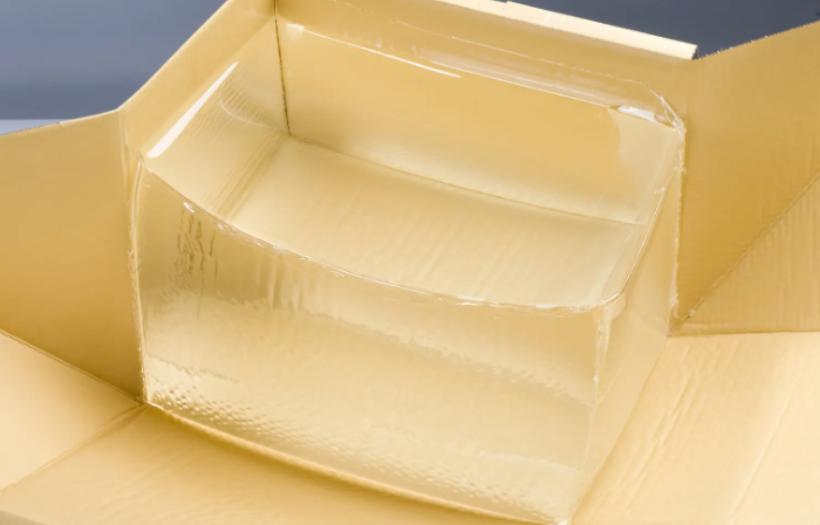
Polyisobutylene, often abbreviated as PIB, is a type of linear saturated polyolefin polymer synthesized from isobutylene monomers through cationic polymerization. It is typically a colorless to pale yellow viscous liquid or elastic solid, with properties that vary significantly depending on its molecular weight. Low-molecular-weight polyisobutylene is a mobile viscous oil, medium-molecular-weight grades are semi-solid gums, and high-molecular-weight polyisobutylene is a tough, rubber-like elastomer.
Polyisobutylene is non-toxic, chemically stable, and resistant to oxidation, acids, alkalis, and moisture. It has excellent compatibility with hydrocarbons such as gasoline, diesel, and lubricating oils, as well as with other polymers like polyethylene and polypropylene. These characteristics make it a versatile material widely used across the petroleum, chemical, and manufacturing industries. Since its commercialization in the early 20th century, polyisobutylene has evolved into a key raw material for producing high-performance additives and functional products, with demand growing steadily alongside advancements in automotive and industrial technologies.
Production of fuel and lubricant additivesThis is the most important application of polyisobutylene. Low-to-medium molecular-weight PIB is the core raw material for manufacturing fuel detergents (such as polyisobutylene amine) and lubricant dispersants (such as polyisobutylene succinimide). These additives can effectively remove carbon deposits in engine fuel injectors, intake valves, and combustion chambers, or suspend oil sludge in lubricating oil to keep the engine clean. They also improve the wear resistance and oxidation stability of lubricating oils, extending the service life of both the oil and the engine.
Sealing and adhesive materialsMedium-to-high molecular-weight polyisobutylene is an essential component of butyl rubber, which is widely used in making sealing products for tires, inner tubes, and automotive parts due to its excellent airtightness and impermeability to gases and liquids. It is also a key ingredient in pressure-sensitive adhesives, hot-melt adhesives, and construction sealants, providing strong bonding strength, weather resistance, and aging resistance for applications in packaging, construction, and automotive assembly.
Modification of polymers and plasticsPolyisobutylene can be used as a modifier to improve the performance of other polymers. Adding it to polyethylene or polypropylene can enhance the toughness, impact resistance, and low-temperature flexibility of the base plastics, making them suitable for manufacturing cold-resistant pipes, packaging films, and automotive interior parts. When blended with rubber materials, it improves the processability, tear resistance, and oil resistance of the rubber products.
Industrial protective coatings and additivesLow-molecular-weight polyisobutylene is added to industrial coatings and greases to improve their adhesion, water resistance, and corrosion resistance. It forms a protective film on the surface of metals, preventing rust and chemical corrosion in harsh environments such as marine engineering and heavy machinery. It can also be used as a viscosity index improver in special lubricants, helping to maintain stable viscosity over a wide temperature range.


 Product Introduction