

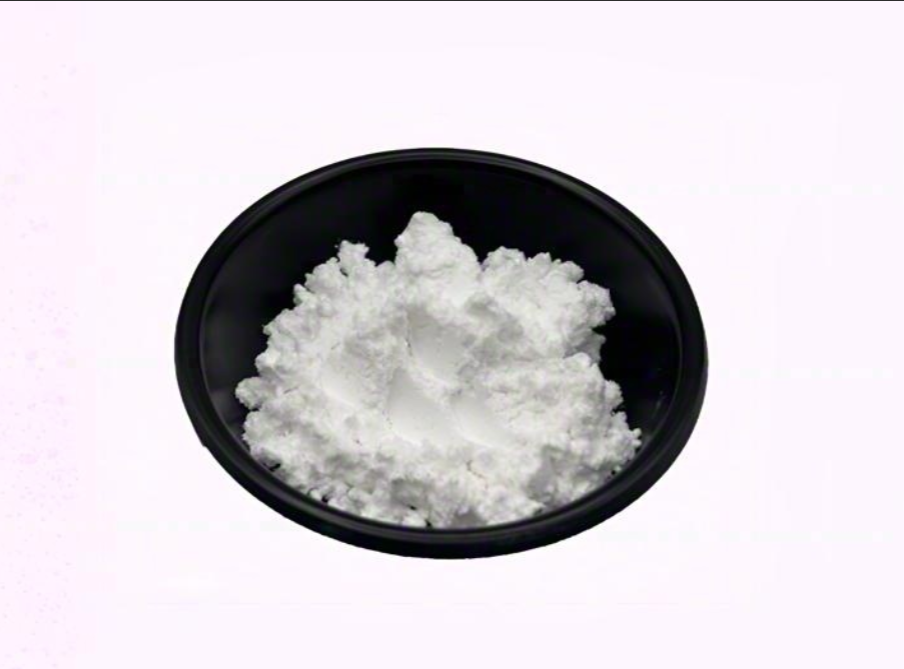
Propylparaben
 Product Introduction
Product NamePropylparabenCAS94-13-3Quality StandardStandardProduct GradeCosmetic
- Model:
- Update Time:2026-01
- Manufacturer Type:
- Views:
Product Name | Propylparaben |
| CAS | 94-13-3 |
Quality Standard | Standard |
Product Grade | Cosmetic Grade |
Place of Origin | China |
Dangerous Goods | No |
Propylparaben is a widely used organic compound belonging to the paraben family. It is typically a white crystalline powder or needle-like crystals with a faint, characteristic odor that is not harsh. It has limited solubility in water but is highly soluble in organic solvents, cosmetic oils, and alcohols. It features excellent thermal stability and chemical inertness, and shows good compatibility with most cosmetic and personal care ingredients. As a classic preservative, it is extensively applied in personal care products, cosmetics, pharmaceuticals, and some food formulations, favored for its reliable preservative performance and mildness at recommended usage concentrations.
Efficacy
Broad-spectrum Antimicrobial Preservation: It acts as an effective broad-spectrum preservative, capable of inhibiting the growth and reproduction of a wide range of microorganisms including bacteria, fungi, and yeasts. By disrupting the normal metabolic and reproductive processes of microbial cells, it prevents product spoilage caused by microbial contamination, extends the product’s shelf life, and ensures the safety of the product during use. It is often used in combination with other parabens (such as methylparaben) to achieve a synergistic effect, enhance the overall preservative efficiency, and reduce the dosage of a single preservative to minimize potential irritation.
Mildness and Good Compatibility: At the recommended usage concentrations in cosmetics and personal care products, it has low irritation to the skin and mucous membranes, making it suitable for most skin types. Its excellent compatibility allows it to be blended with various functional ingredients such as moisturizers, emulsifiers, active extracts, and fragrances without affecting the stability or effectiveness of the formulation.
Stability and Long-lasting Effect: It remains stable under a wide range of pH and temperature conditions, and is not prone to decomposition or loss of preservative activity during product processing, storage, and use. It can maintain a long-lasting preservative effect in formulations, providing continuous protection against microbial growth.
Cost-effectiveness: It is easy to produce and process, with a relatively low cost compared to many novel preservatives. This makes it a cost-effective choice for manufacturers, helping to control production costs while ensuring product safety and quality.