

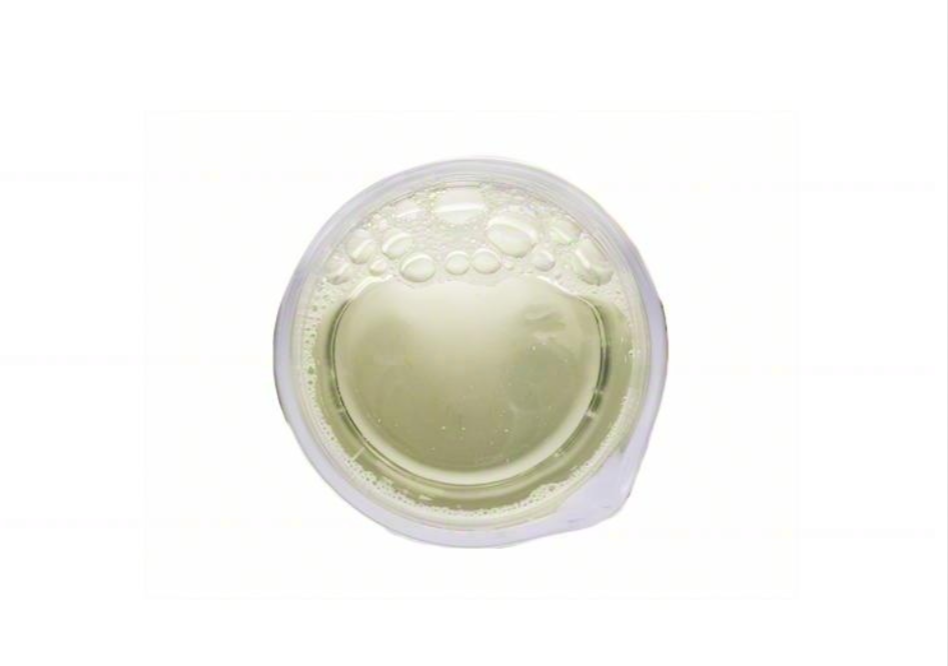
Sodium Lauroyl Sarcosinate (LCS-30)

Product Introduction

Product NameSodium Lauroyl Sarcosinate (LCS-30)CAS137-16-6Quality StandardStanda

Model:
Update Time:2025-12
Manufacturer Type:
Views:

Product Name

Sodium Lauroyl Sarcosinate (LCS-30)
CAS137-16-6

Quality Standard

Standard

Product Grade

Cationic Emulsifiers

Place of Origin

China

Dangerous Goods

No


1. Basic Introduction

Sodium Lauroyl Sarcosinate, commonly abbreviated as LCS-30 in the industry, is a mild anionic surfactant. It is synthesized by the reaction of lauric acid and sarcosine, followed by neutralization. The product is usually a colorless to pale yellow transparent liquid or white powder with good water solubility.
Its core advantages lie in excellent mildness, low irritation to the skin and eyes, and good biodegradability, which aligns with the development trend of environmentally friendly and skin-friendly daily chemical products. In addition, it has stable performance under acidic and alkaline conditions to a certain extent, and exhibits good compatibility with anionic, non-ionic and amphoteric surfactants. It also has functions such as foam promoting, emulsifying, dispersing and conditioning.

2. Core Applications

Personal Care Products

  • Facial cleansers and body washes: LCS-30 is a key ingredient in mild cleansing products. It can produce rich and fine foam, effectively remove skin surface dirt and excess oil without disrupting the skin's natural barrier, making it suitable for sensitive skin, dry skin and even infant skin care products.
  • Shampoos and hair care products: It serves as a mild cleansing and conditioning component. It helps reduce the irritation of traditional surfactants to the scalp, alleviates scalp dryness and itching, and leaves the hair soft and smooth after washing. It is widely used in mild shampoos, baby shampoos and amino acid - based hair care formulations.
  • Oral care products: It is added to toothpastes and mouthwashes as a foaming agent and antibacterial auxiliary. It can reduce the surface tension of the liquid, enhance the cleaning effect on teeth and oral mucosa, and has a certain inhibitory effect on oral bacteria, helping to maintain oral hygiene.

Household Cleaning Products

  • Mild dishwashing liquids: It is used in low-irritation dishwashing products, which can emulsify grease on tableware, and is gentle on the hands, reducing the dryness and roughness of hands caused by long-term contact with detergents.
  • Household surface cleaners: It is added to cleaners for furniture, glass and kitchen surfaces, playing a role in wetting and dispersing dirt, and the product is mild and non-corrosive to most surfaces.

Industrial and Other Special Applications

  • Textile industry: It is used as a softener and antistatic agent in textile finishing processes, which can improve the softness of fabrics and reduce the static electricity generated during textile processing and use.
  • Cosmetics and pharmaceutical fields: In some cream - like cosmetics, it acts as an emulsifier to help stabilize the emulsion system; in pharmaceutical preparations, it can be used as a solubilizer to improve the solubility of some poorly water-soluble drugs.
  • Metal processing industry: It is added to metal cleaning fluids as a mild surfactant, which can remove oil stains on the metal surface without corroding the metal substrate.

3. Usage Notes

  • Dosage: In personal care products, the recommended dosage is generally 2%–15%; in household cleaning products, the dosage is usually 1%–8%, and the specific amount can be adjusted according to the product formula and performance requirements.
  • Storage: It should be stored in a sealed container, placed in a cool, dry and well-ventilated environment, away from strong acids, strong bases and oxidants to avoid product deterioration. The shelf life is usually 12–24 months under proper storage conditions.