

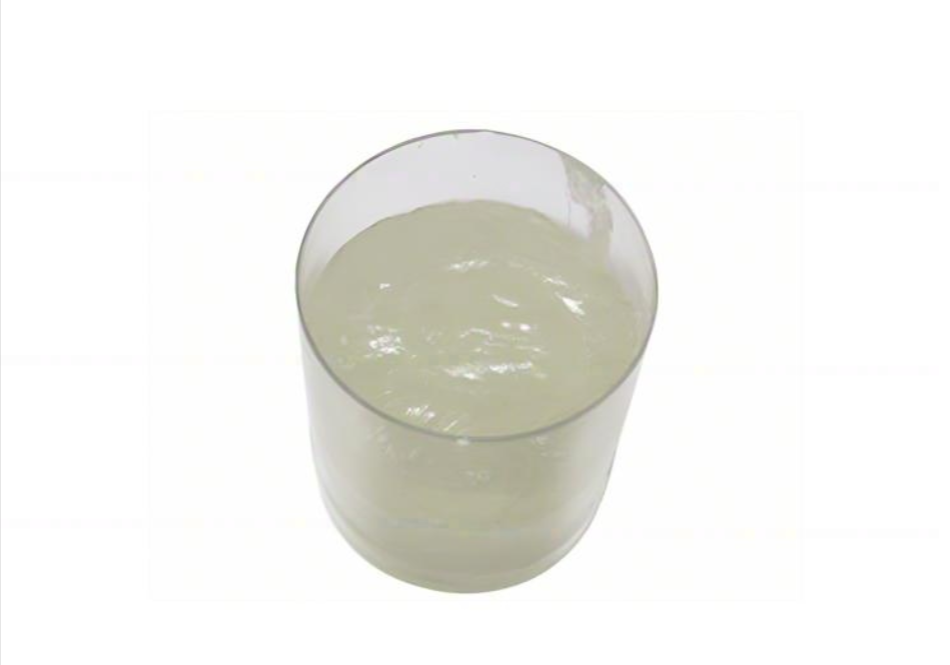
Sodium Fatty Alcohol Polyoxyethylene Ether Sulfate
 Product Introduction
Product NameSodium Fatty Alcohol Polyoxyethylene Ether SulfateCAS9004-82-4Qualit
- Model:
- Update Time:2025-12
- Manufacturer Type:
- Views:
Product Name | Sodium Fatty Alcohol Polyoxyethylene Ether Sulfate |
| CAS | 9004-82-4 |
Quality Standard | Standard |
Product Grade | Cationic Emulsifiers |
Place of Origin | China |
Dangerous Goods | No |
Sodium Fatty Alcohol Polyoxyethylene Ether Sulfate, commonly abbreviated as AES, is a widely used anionic surfactant. It is synthesized by the ethoxylation of fatty alcohols (typically C12–C14 fatty alcohols) followed by sulfation and neutralization. At room temperature, AES usually exists as a colorless to pale yellow viscous liquid with excellent water solubility.
AES has a balanced set of core properties that make it a staple in surfactant formulations. It produces rich, stable foam with moderate detergency, and its mildness is significantly better than that of traditional anionic surfactants like sodium lauryl sulfate (SLS). It shows good compatibility with anionic, non-ionic, and amphoteric surfactants, and maintains stable performance under a wide pH range (typically pH 7–12). Additionally, it has good hard-water resistance and is cost-effective, making it a preferred choice for mass-market cleaning and personal care products.
Core Applications
1. Personal Care Products
Shampoos and body washes: AES is a key base surfactant in these products. It creates dense, long-lasting foam that effectively removes dirt and excess oil from hair and skin, while being gentle enough to avoid stripping the natural lipid barrier. It is often compounded with mild surfactants like cocamidopropyl betaine (CAB) or sodium lauroyl sarcosinate to further enhance mildness, suitable for daily use by all skin and hair types.
Hand soaps and shower gels: It serves as the main foaming and cleaning component, providing a comfortable cleansing experience with low irritation, and is widely used in both household and commercial hand hygiene products.
Facial cleansers: In mild facial cleanser formulations, AES is used in proper proportions to balance cleaning power and mildness, avoiding over-cleansing that leads to dry, tight skin.
2. Household Cleaning Products
Laundry detergents (liquid and powder): AES acts as a core detergent component, with strong emulsifying ability for oil stains and good dispersing effect on particulate dirt. It improves the overall cleaning performance of laundry products and helps stabilize the formulation system. It is widely used in regular laundry detergents, concentrated detergents, and laundry liquids for delicate fabrics.
Dishwashing liquids: It is a primary ingredient in dish soap, capable of quickly emulsifying grease on tableware surfaces. It produces stable foam that stays effective even in the presence of food residues, and is less harsh on hands compared to high-alkalinity cleaners.
Household all-purpose cleaners: AES is added to multi-surface cleaners for kitchens, bathrooms, and floors, playing roles in wetting, emulsifying, and dispersing dirt, while ensuring the cleaner is non-corrosive to most hard surfaces like ceramic tiles, glass, and stainless steel.
3. Industrial and Commercial Applications
Textile industry: It is used as a detergent and wetting agent in textile pre-treatment processes (such as desizing, scouring, and bleaching). It helps remove grease, wax, and other impurities from fibers, improving the uniformity of subsequent dyeing and finishing processes.
Paper industry: AES serves as a sizing agent and cleaning aid in papermaking, enhancing the surface properties of paper and assisting in the removal of contaminants during pulp processing.
Agricultural formulations: It is used as an adjuvant in pesticide emulsifiable concentrates and wettable powders, improving the wetting and spreading ability of pesticides on crop surfaces, thereby enhancing the efficacy of the active ingredients.
Other industrial uses: It can be found in leather cleaning agents, metal surface degreasers, and industrial detergents, leveraging its emulsifying and cleaning properties to meet the requirements of industrial cleaning scenarios.
Usage Notes
Dosage: In personal care products, the recommended dosage of AES is generally 5%–20%; in household cleaning products, the dosage ranges from 10%–30%. The specific amount can be adjusted based on product type, formula compatibility, and performance requirements.
Storage: AES should be stored in sealed plastic or stainless steel containers, placed in a cool, dry, well-ventilated area, away from direct sunlight and high temperatures (avoid storage above 40℃). It should be kept away from strong acids and oxidants to prevent decomposition. Under proper storage conditions, its shelf life is usually 12–24 months.
Safety precautions: Although AES is mild, direct contact with high-concentration AES may cause slight skin or eye irritation. During operation, it is recommended to wear protective gloves and goggles. If it comes into contact with eyes, rinse immediately with plenty of clean water.