Product Name | |
Quality Standard | Standard |
Product Grade | Cationic Emulsifiers |
Place of Origin | China |
Dangerous Goods | No |
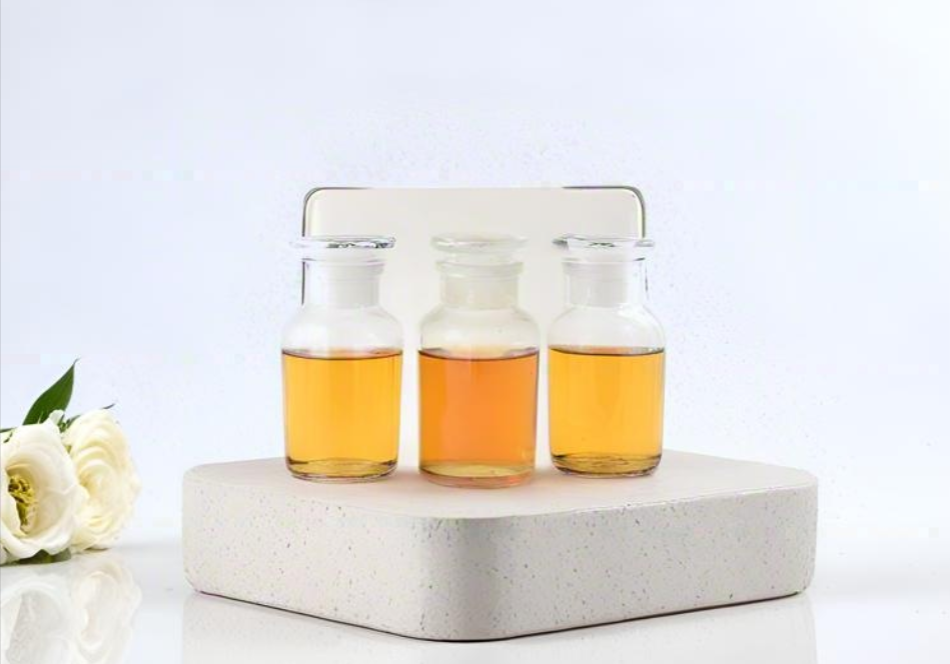
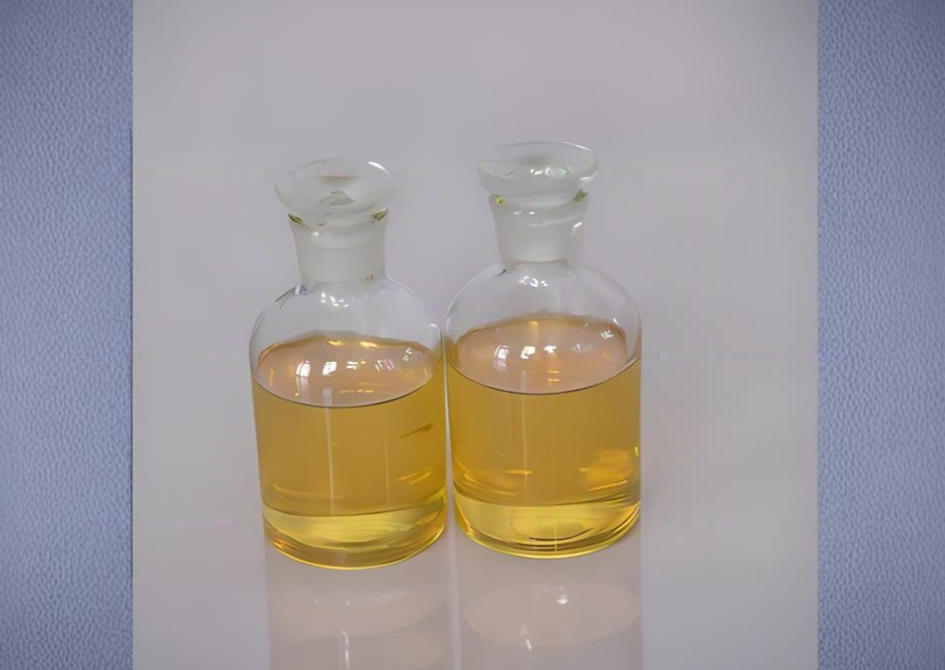
Cocamide Methyl MEA, abbreviated as CMMEA, is a non-ionic surfactant derived from natural coconut oil. It is synthesized through the amidation reaction of coconut fatty acids and methyl monoethanolamine. At room temperature, it exists as a low-viscosity, flowable liquid with no cloud point, presenting a pale yellow or colorless appearance.
As an environmentally friendly alternative to traditional surfactants like CDEA (cocamide diethanolamide, also known as 6501) and CMEA (cocamide monoethanolamine), CMMEA has prominent advantages: it does not contain diethanolamine (DEA) or nitrosamine impurities restricted by the EU, and its biodegradation rate reaches up to 97%, complying with global green formulation standards. It also features excellent compatibility with anionic, cationic, and amphoteric surfactants, making it easy to incorporate into various product systems.
- Powerful thickening and foam-stabilizing performance: When compounded with anionic surfactants such as AES (sodium fatty alcohol polyoxyethylene ether sulfate) and LAS (linear alkylbenzene sulfonate), it shows a significant synergistic effect, effectively improving the viscosity stability of the formulation and making the foam denser and longer-lasting.
- Outstanding stability: It has good freeze and heat resistance, remaining clear and flowable above 0°C without turbidity or solidification; it is not easy to discolor under high-temperature conditions. It has a wide pH adaptation range (pH 5–10), and its viscosity is less affected by pH fluctuations, enabling rapid dispersion in surfactant systems without heating.
- High mildness and low irritation: It has minimal irritation to the skin and eyes, making it suitable for mild personal care products.
- Easy operation: Its liquid form is more convenient for production and batching compared with solid CMEA, reducing the difficulty of dissolution and improving production efficiency.
- Shampoos and body washes: CMMEA is added as a thickener and foam stabilizer. It helps the product form a dense, creamy foam, enhances the viscosity of the formulation, and improves the user's washing experience. Meanwhile, it reduces the irritation of the overall formula, making it suitable for daily use by people with normal to sensitive skin.
- Facial cleansers and hand soaps: It is used in mild cleansing formulas to balance the cleaning power and mildness, avoiding over-cleansing that leads to dry, tight skin or hands, while maintaining a stable foam state during use.
- Dishwashing liquids: When compounded with anionic surfactants, it enhances the thickening effect of the dish soap, stabilizes the foam, and improves the grease-emulsifying ability of the product, ensuring that the foam does not collapse quickly during dishwashing.
- Laundry detergents and hand sanitizers: It plays a role in thickening and foam stabilization, making the laundry detergent more viscous and easier to dose; for hand sanitizers, it ensures a comfortable foaming feel while assisting in removing light stains on hands.
- For personal care product formulations: The recommended dosage is generally 0.5%–3%, which can be adjusted according to the required viscosity and foam performance of the product.
- For household cleaning product formulations: The recommended dosage ranges from 1%–5%, depending on the type of cleaning product and the compatibility of the compound system.
- Storage conditions: Seal the product in a cool, dry, and well-ventilated place, away from strong oxidants. Avoid direct sunlight and high-temperature environments. The shelf life is usually 12 months under proper storage conditions.
- Safety precautions: Routine operation has no obvious irritation to the skin and eyes. Avoid prolonged contact with high-concentration CMMEA. If it accidentally contacts the eyes or skin, rinse thoroughly with plenty of clean water.


 Product Introduction